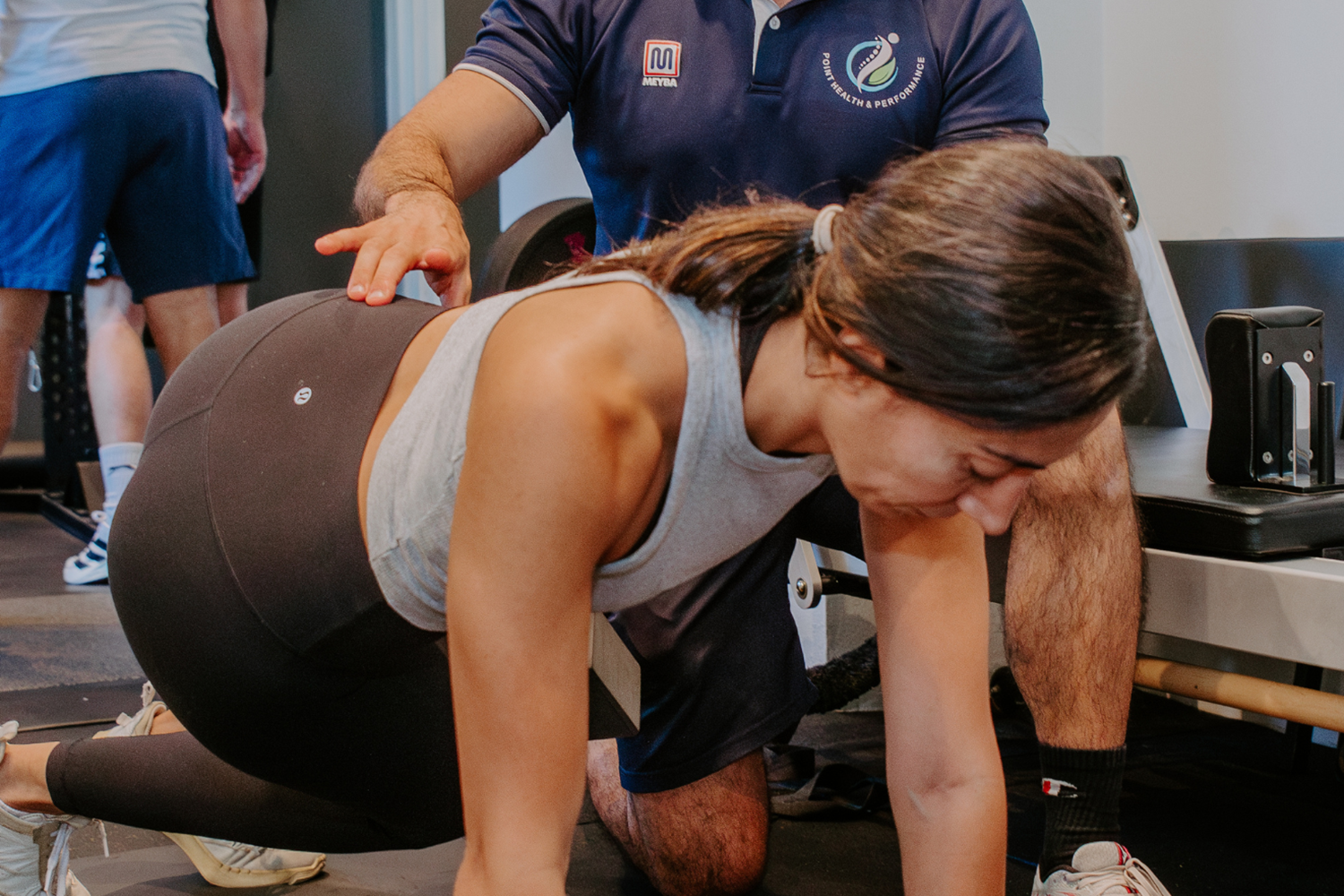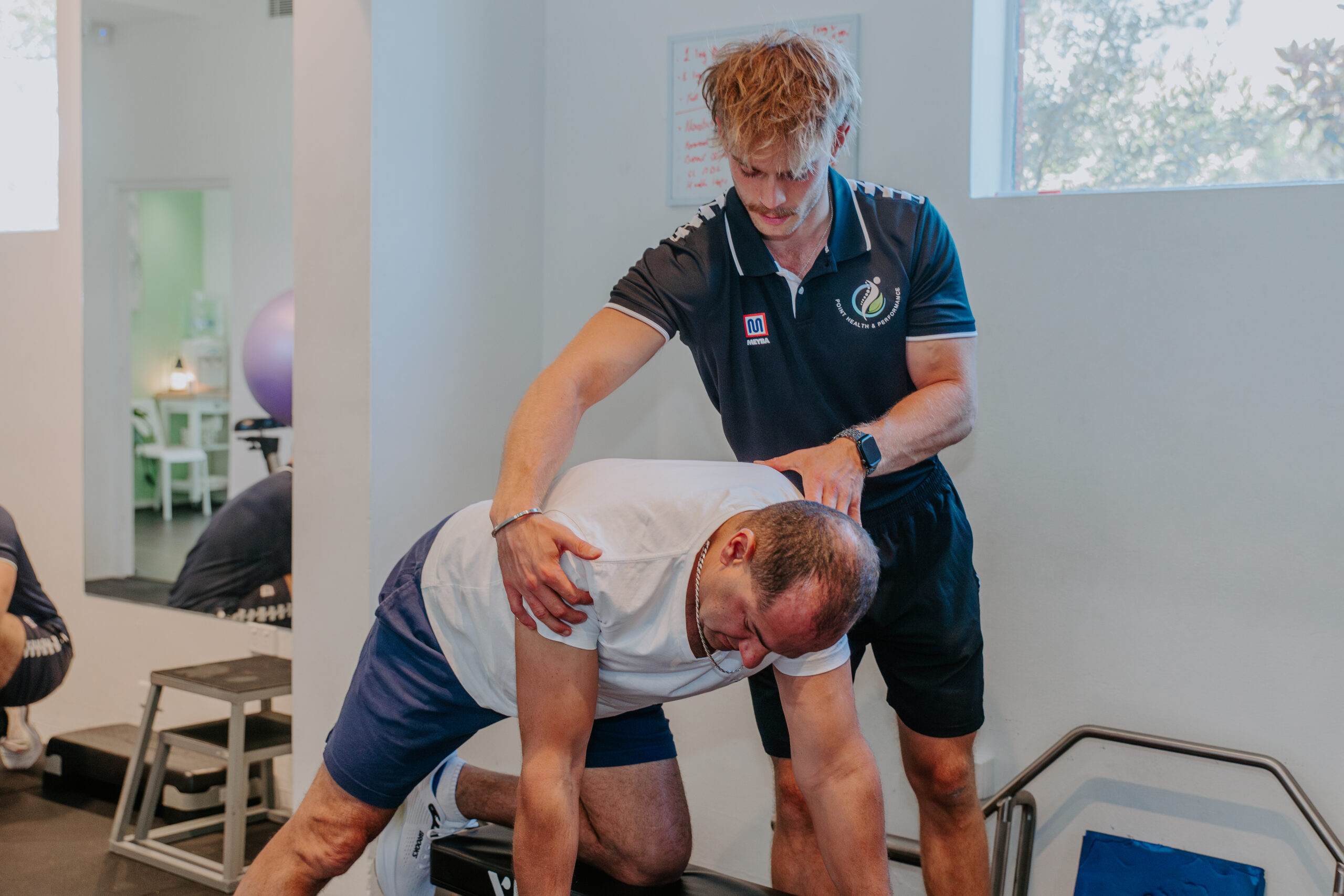
Psychologists and Physiotherapists have worked hand in hand to provide effective patient care and reach positive outcomes by collaborating and integrating their expertise and knowledge around pain, emotion and movement.
Not only can the two professions work on a condition or injury together, they also help athletes improve sports performance!
Here are some ways they can work together:
- Injury assessments: Psychologists and physiotherapists can work together to conduct joint assessments of patients to identify the physical and psychological factors that may be contributing to their condition, or collaborate to optimize mental and physical performance.
- Shared treatment plans: Based on the assessment, they can develop shared treatment plans that address both the physical and psychological aspects of the patient’s condition. (e.g. fear of reinjury, mental health disorders that may benefit from physiotherapy and movement.)
- Coordinated care: Psychologists and physiotherapists can coordinate their care and communicate regularly to ensure that the patient is receiving comprehensive and integrated care.
- Cross-training: They can also cross-train each other on their areas of expertise to improve their understanding of the patient’s condition and treatment plan. Examples of this can include physical training, visualization techniques, anxiety control, nervous system management, motivational interviewing and breathing techniques.
- Psychoeducation: Psychologists can provide education to physiotherapists on the psychological factors that may be impacting the patient’s physical condition, such as stress, anxiety, or depression. This can help physiotherapists better understand the patient’s needs and tailor their treatment accordingly.
- Pain management: Physiotherapists can work with psychologists to develop pain management strategies that address both the physical and psychological aspects of pain.
- Improved outcomes: Working together, psychologists and physiotherapists can improve treatment outcomes for clients by addressing all factors that may be contributing to their condition. This can lead to faster recovery, improved quality of life, and a better long-term prognosis.
- Patient first care: By collaborating and working together, psychologists and physiotherapists can provide patient-centered care that addresses the unique needs and goals of each client. This approach ensures that clients receive personalized care that is tailored to their specific needs.
Clients who may benefit from receiving physiotherapy and psychology can include those with chronic pain, musculoskeletal injuries, neurological conditions, or mental health concerns such as anxiety or depression. This type of integrated care can also benefit athletes looking to improve their performance or manage sports-related injuries.
Collaboration between psychologists and physiotherapists is pivotal in providing effective patient outcomes. By working together and integrating their expertise, they can provide more comprehensive and holistic care to patients, addressing both the physical and psychological aspects of their condition.
If you would like to learn more about how psychologists and physiotherapists can work together to improve patient outcomes, please contact us. Our team of experts is available to answer any questions you may have and help you achieve your health goals.